









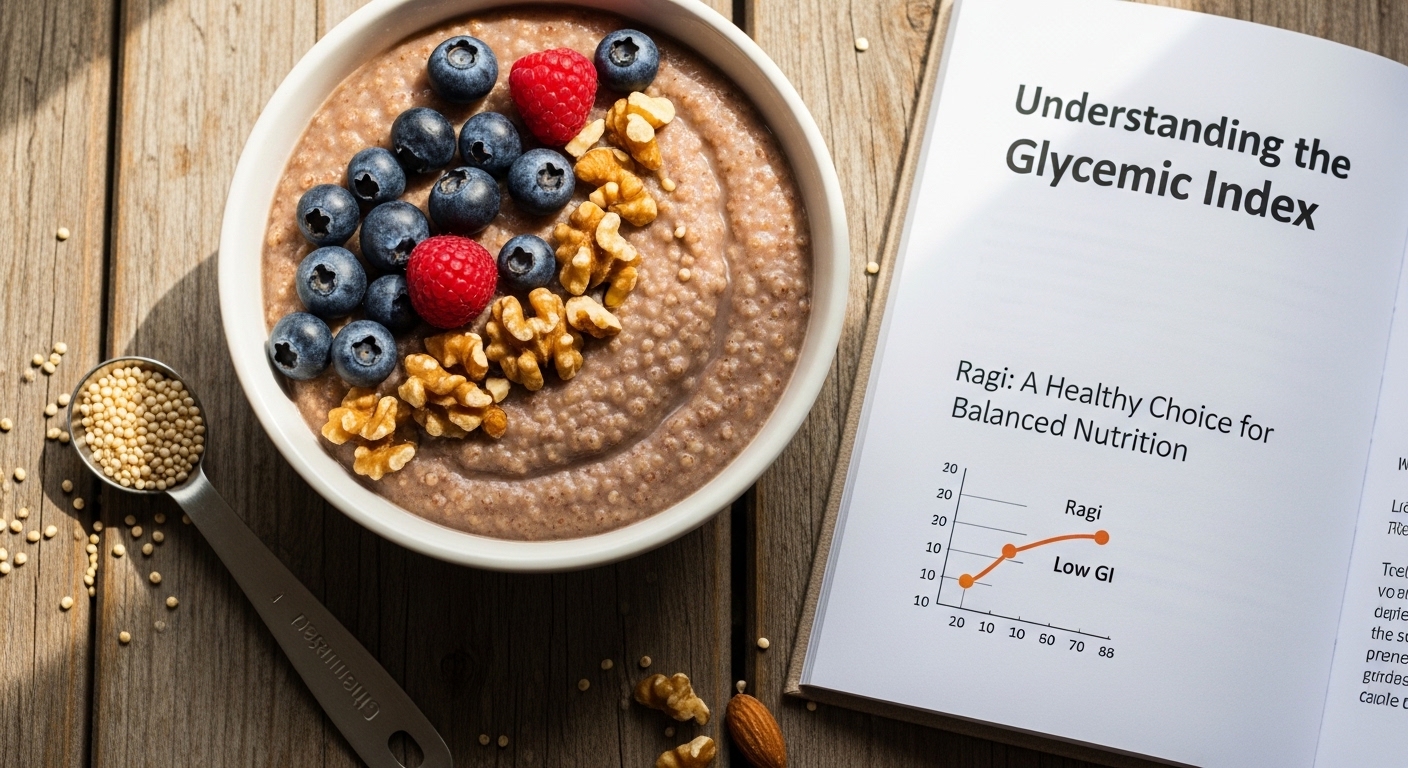
Ragi, also known as finger millet, is a traditional grain widely consumed in India and parts of Africa for its rich nutritional profile. One of the key health aspects of ragi is its effect on blood sugar levels, measured by the glycemic index of ragi. The glycemic index (GI) is a scale that indicates how quickly carbohydrates in a food raise blood glucose levels. Foods with a low GI are absorbed slowly, providing sustained energy and helping regulate insulin levels. Ragi is often recommended for individuals seeking to manage diabetes, maintain weight, or support heart health. Beyond its glycemic properties, ragi is rich in calcium, fiber, and essential amino acids, making it a nutrient-dense option. In this article, we explore the glycemic index of ragi, its health benefits, preparation methods, and tips for incorporating it into a balanced diet.
What Is the Glycemic Index of Ragi
The glycemic index of ragi is considered low to moderate, typically ranging between 55 and 65 depending on the preparation method. This makes it a favorable choice for those looking to control blood sugar levels, especially compared to high-GI foods like white rice or refined wheat products. The slow digestion of ragi’s complex carbohydrates ensures a gradual release of glucose into the bloodstream, reducing spikes and promoting longer-lasting energy. Additionally, the high fiber content in ragi contributes to slower digestion and enhanced satiety. For individuals with diabetes or metabolic concerns, foods with a lower GI, such as ragi, are beneficial for maintaining stable blood sugar. Understanding the glycemic index of ragi can help diet planners, nutritionists, and health-conscious individuals make informed dietary decisions for overall well-being.
Nutritional Benefits of Ragi
Ragi is not only low on the glycemic index but also packed with essential nutrients that support overall health. It is a rich source of calcium, which strengthens bones and teeth, making it particularly beneficial for growing children and older adults. The high fiber content aids in digestion, promotes gut health, and helps regulate cholesterol levels. Ragi also contains iron, magnesium, and antioxidants that contribute to cardiovascular health and prevent oxidative stress. Its protein content, including essential amino acids, supports muscle development and repair. The combination of these nutrients, along with its low to moderate glycemic index, makes ragi a highly nutritious food suitable for a balanced diet. Incorporating ragi into meals ensures that individuals not only manage blood sugar but also receive a range of essential nutrients for holistic health.
Ragi for Diabetes Management
Due to its low glycemic properties, ragi is widely recommended for managing diabetes. Consuming foods with a low GI helps prevent sudden spikes in blood sugar levels, supporting better insulin sensitivity and overall glucose control. Ragi-based preparations like porridge, dosa, or roti provide sustained energy without causing rapid glucose fluctuations. Additionally, the fiber in ragi slows carbohydrate absorption, promoting a sense of fullness and reducing the likelihood of overeating. Nutritionists often suggest replacing high-GI staples with ragi to create a balanced meal plan for diabetic individuals. Regular consumption of ragi, along with other low-GI foods, can be an effective strategy for maintaining healthy blood sugar levels and supporting long-term metabolic health without compromising on taste or variety.
Different Forms of Ragi and Their GI
The glycemic index of ragi can vary based on the form in which it is consumed. Whole ragi grains and ragi flour tend to have a lower GI due to minimal processing, which preserves fiber and nutrients. Processed or instant ragi products may have a slightly higher GI because the carbohydrates are more easily digestible. Similarly, cooking methods influence the glycemic response; steaming or boiling ragi results in a slower release of glucose compared to baking or frying. Combining ragi with other low-GI foods such as lentils or vegetables can further reduce its impact on blood sugar. Understanding the variations in GI based on preparation helps individuals maximize the health benefits of ragi while enjoying versatile recipes that fit their dietary preferences.
Tips for Incorporating Ragi into Daily Diet
Ragi can be easily integrated into daily meals to leverage its low glycemic properties and nutritional benefits. Breakfast options include ragi porridge or ragi upma, which provide slow-digesting energy for the day. Ragi flour can be used to make rotis, dosas, and even baked goods like muffins and cookies. Pairing ragi with protein-rich or fiber-rich foods enhances its effect on blood sugar management. For snacks, ragi malt or ragi laddoos offer a healthy alternative to sugar-laden treats. Regular incorporation of ragi into meals ensures a consistent intake of essential nutrients while promoting stable energy levels. With creativity in preparation, ragi becomes a versatile, diabetes-friendly, and nutrient-dense option suitable for all ages.
Ragi and Weight Management
Beyond blood sugar control, ragi’s low glycemic index and high fiber content make it an excellent choice for weight management. The slow-digesting carbohydrates promote satiety, reducing hunger pangs and unnecessary snacking. Its nutrient density ensures that calorie intake is balanced with essential vitamins and minerals, supporting metabolic health. Additionally, ragi provides sustained energy for physical activity, aiding in calorie expenditure and overall fitness. By replacing high-GI and refined foods with ragi-based meals, individuals can maintain a balanced diet that supports healthy weight maintenance. The combination of slow-releasing carbohydrates, fiber, and essential nutrients makes ragi a practical choice for those seeking to manage body weight while prioritizing long-term health.
Conclusion
The glycemic index of ragi establishes it as a versatile and health-promoting food suitable for managing blood sugar, supporting bone health, and aiding weight management. With its nutrient-rich profile, low to moderate GI, and adaptability in various recipes, ragi is a valuable addition to a balanced diet. Understanding its glycemic impact, preparation methods, and nutritional benefits enables individuals to make informed choices that enhance overall well-being. Incorporating ragi into daily meals provides not only sustainable energy but also a range of essential nutrients, making it an ideal staple for a healthy lifestyle.