








Bristlenose pleco is one of the most popular freshwater aquarium fish due to its manageable size, peaceful nature, and excellent algae-eating habits. Known for the distinctive bristle-like growths around its nose, this catfish adds both functionality and visual interest to home aquariums. Ideal for beginners and experienced aquarists alike, bristlenose plecos help maintain a clean tank while coexisting peacefully with other fish species. Understanding their natural behavior, habitat requirements, and diet is essential for keeping them healthy and thriving.
Physical Characteristics of Bristlenose Pleco
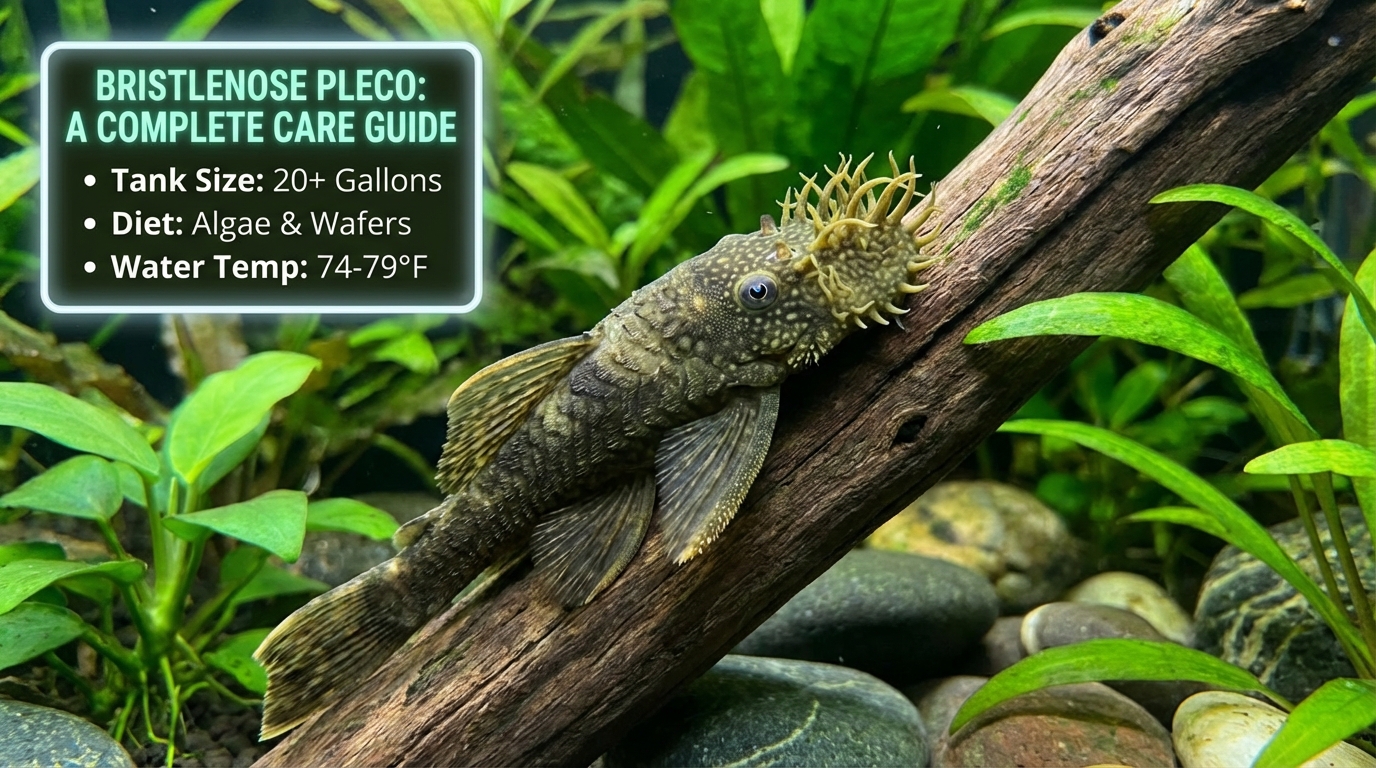
Bristlenose plecos are small to medium-sized catfish that typically reach 4 to 6 inches in length. They have a flattened body with a broad head and the signature bristles around the snout, which are more pronounced in males. Their coloration usually ranges from dark brown to black with lighter spots or patterns, providing natural camouflage in planted aquariums. These fish have a sucker-like mouth that allows them to attach to surfaces while feeding on algae. The combination of their unique appearance, compact size, and functional traits makes bristlenose plecos an attractive and practical addition to freshwater tanks of varying sizes.
Natural Habitat and Distribution
Bristlenose plecos are native to freshwater rivers and streams in South America, particularly in countries like Brazil, Peru, and Colombia. They prefer slow-moving waters with abundant vegetation, submerged roots, and hiding spots such as rocks and driftwood. In their natural habitat, they graze on algae and detritus while taking shelter during daylight hours. Replicating aspects of their environment in a home aquarium, including plants, caves, and driftwood, helps them feel secure and exhibit natural behavior. Understanding their origin and natural conditions is crucial for providing a healthy and stress-free environment for bristlenose plecos.
Tank Setup for Bristlenose Pleco
Creating the right tank setup is essential for the health of bristlenose plecos. A minimum 20-gallon aquarium is recommended for a single adult, with additional space for tank mates. Provide hiding places using driftwood, caves, and dense plants, as these fish enjoy secluded areas. Soft substrate such as sand or fine gravel is ideal to protect their sensitive undersides. A moderate water flow simulates natural stream conditions, while careful filtration maintains water quality without creating strong currents. Proper tank setup ensures that bristlenose plecos can explore, graze, and feel secure while contributing to overall tank cleanliness.
Water Parameters and Maintenance
Bristlenose plecos thrive in water conditions with a temperature range of 73 to 81°F, a pH between 6.5 and 7.5, and moderate hardness. Regular water changes of 20 to 25 percent weekly help maintain water quality, reducing stress and preventing disease. Filtration should be efficient but gentle, avoiding excessive currents that can disturb the fish. Monitoring ammonia, nitrate, and nitrite levels is essential, as bristlenose plecos are sensitive to poor water conditions. Maintaining stable and suitable parameters ensures optimal health, longevity, and active behavior for bristlenose plecos in freshwater aquariums.
Diet and Feeding
Bristlenose plecos are primarily herbivorous and excellent algae eaters, making them natural cleaners for aquariums. Their diet should include algae wafers, blanched vegetables such as zucchini, cucumber, and spinach, and occasional protein-rich foods like bloodworms or shrimp pellets. It is important to provide a balanced diet to support growth, coloration, and bristle development. Feeding should occur once or twice daily in amounts that can be consumed within a few hours. Supplementing with fresh vegetables and specialized foods ensures bristlenose plecos receive adequate nutrition while helping maintain tank cleanliness and reducing excess algae growth.
Behavior and Temperament
Bristlenose plecos are peaceful and generally non-aggressive, making them compatible with most community fish species. They are nocturnal but often active during dawn and dusk, grazing on surfaces for algae. Territorial behavior can occur among males, especially during breeding, but conflicts are typically mild and easily managed with sufficient hiding spots. These catfish are solitary feeders but adapt well to shared tanks when space and resources are adequate. Observing their behavior helps aquarists ensure compatibility with tank mates, maintain a stress-free environment, and enjoy the natural and functional role bristlenose plecos play in aquarium ecosystems.
Breeding Bristlenose Pleco
Breeding bristlenose plecos is achievable in home aquariums with the right conditions. Males create caves, often in driftwood or clay pots, where females lay eggs. Water temperature around 78°F and a slightly acidic pH can stimulate breeding behavior. After spawning, males guard the eggs until they hatch, which usually takes five to ten days. Fry feed on biofilm and finely crushed algae wafers until large enough to consume regular foods. Providing proper hiding spaces, maintaining water quality, and ensuring a varied diet increases breeding success. Observing natural breeding behavior can be rewarding for hobbyists interested in raising bristlenose plecos.
Common Health Issues
Bristlenose plecos are hardy fish, but they are susceptible to common freshwater ailments. Poor water quality can lead to fin rot, ich, and fungal infections. Overfeeding or insufficient diet variety can cause digestive issues and poor growth. Stress from aggressive tank mates or inadequate hiding spaces can weaken their immune system. Regular observation of their behavior, coloration, and appetite is essential for early detection of health problems. Prompt intervention through water changes, quarantine procedures, or appropriate medication ensures bristlenose plecos remain healthy and active, maintaining their role as both a functional and visually appealing aquarium inhabitant.
Conclusion
Bristlenose pleco is a versatile and attractive addition to freshwater aquariums, offering both visual appeal and practical benefits. Their peaceful temperament, algae-eating habits, and manageable size make them suitable for a wide range of tank setups. By providing proper tank conditions, balanced nutrition, and regular maintenance, aquarists can ensure these catfish thrive and live long, healthy lives. Understanding their behavior, breeding, and care requirements allows hobbyists to enjoy the unique charm and functionality of bristlenose plecos while maintaining a clean and harmonious aquarium environment.