









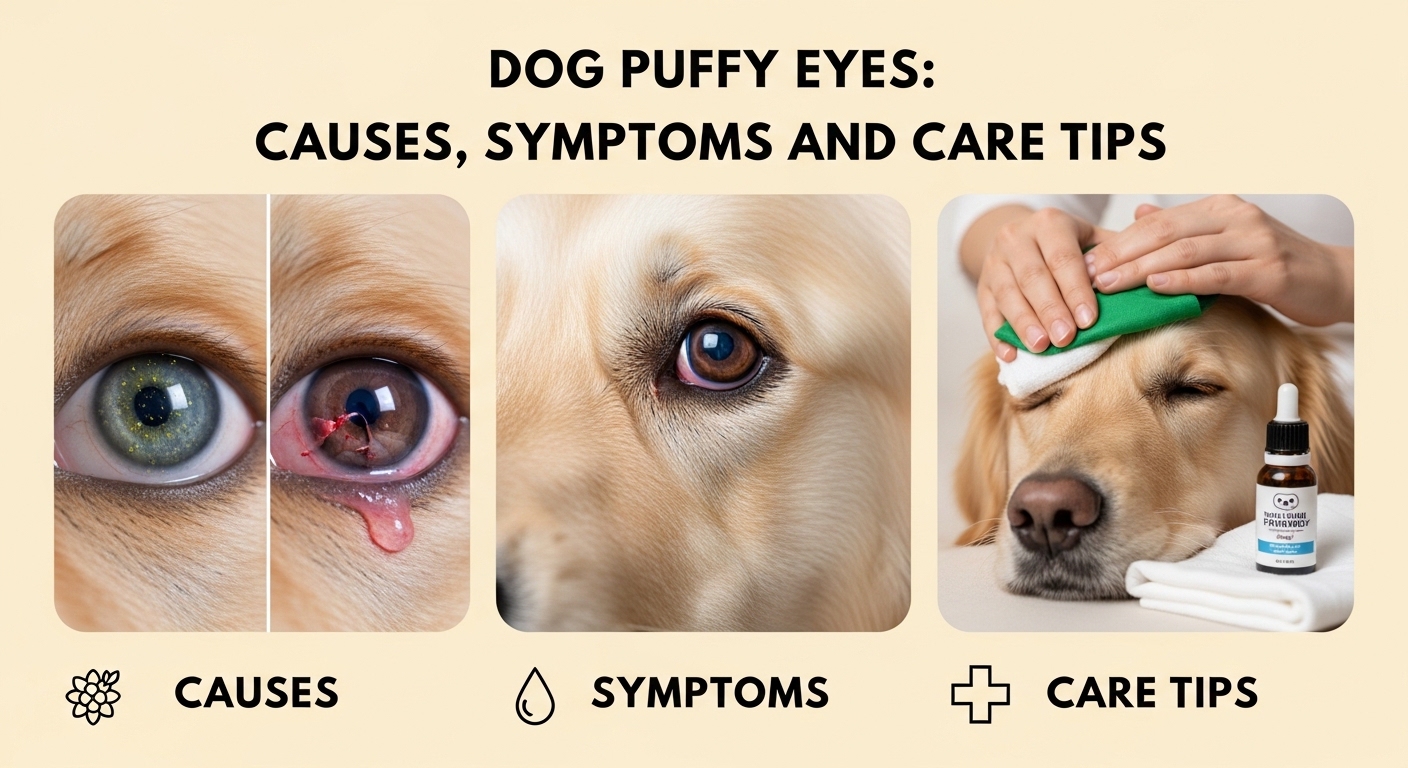
If you’ve noticed that your dog has swollen or puffy eyes, it can be concerning. Puffy eyes in dogs are a common symptom that can result from a variety of causes, ranging from mild allergies to more serious medical conditions. Recognizing the underlying reason for your dog’s eye swelling is crucial for ensuring their comfort and health. While some cases may resolve with home care, others require immediate veterinary attention to prevent complications. Understanding the potential causes, identifying accompanying symptoms, and knowing the proper care steps can help pet owners address dog puffy eyes effectively. The most common reasons behind puffy eyes in dogs and offers practical advice to keep your canine companion healthy and comfortable.
Common Causes of Dog Puffy Eyes
Dog puffy eyes can result from several factors, including allergies, infections, injuries, or underlying medical conditions. Allergies are a frequent cause, triggered by environmental factors like pollen, dust, or certain foods, leading to swelling and redness around the eyes. Infections such as conjunctivitis can also produce puffiness, often accompanied by discharge or discomfort. Trauma or injuries, including scratches or insect bites, may cause localized swelling, while underlying conditions like glaucoma or kidney issues could lead to more persistent eye puffiness. Identifying the root cause is essential for effective treatment, as some conditions may require medical intervention. Monitoring your dog for additional symptoms such as squinting, excessive tearing, or changes in behavior can help determine whether a veterinary visit is necessary to address the puffy eyes.
Signs and Symptoms to Watch For
In addition to visible swelling, dog puffy eyes often present with other signs that indicate discomfort or underlying issues. Common symptoms include redness, watery or sticky discharge, frequent blinking or squinting, and rubbing or pawing at the affected eye. Behavioral changes, such as lethargy or decreased appetite, may also accompany eye puffiness, signaling a more serious condition. In some cases, puffy eyes may be accompanied by swelling of other facial areas, indicating an allergic reaction or systemic health issue. Observing the severity, duration, and progression of symptoms helps determine the urgency of veterinary care. Prompt recognition of associated signs ensures timely treatment, reducing the risk of complications and promoting faster recovery for dogs experiencing puffy eyes.
Home Care for Minor Swelling
For mild cases of dog puffy eyes caused by minor allergies or irritants, home care can provide relief and prevent worsening symptoms. Gently cleaning the eyes with a damp, soft cloth or saline solution can remove allergens or debris. Applying a cool compress for a few minutes may reduce swelling and soothe discomfort. Ensuring your dog avoids rubbing or scratching the eyes is crucial to prevent further irritation. Adjusting their environment, such as reducing exposure to pollen or dust, can also help manage minor cases. While home remedies can alleviate temporary puffiness, monitoring your dog closely is important, as persistent swelling or worsening symptoms should prompt a veterinary visit to rule out infections or other underlying health concerns.
When to See a Veterinarian
While some cases of dog puffy eyes can be treated at home, certain signs require immediate veterinary attention. If swelling persists for more than a day or two, worsens, or is accompanied by discharge, severe redness, pain, or behavioral changes, a professional evaluation is necessary. Eye injuries, sudden swelling, or suspected infections should never be ignored, as delays in treatment can lead to serious complications, including vision loss. A veterinarian can conduct a thorough examination, diagnose the underlying cause, and prescribe appropriate treatments such as antibiotics, anti-inflammatory medication, or specialized eye drops. Timely medical care ensures your dog’s comfort, prevents further health issues, and promotes a full recovery from puffy eyes.
Prevention and Ongoing Care
Preventing dog puffy eyes involves proactive care and regular monitoring. Keeping your dog’s environment clean and free from common allergens, maintaining proper grooming, and avoiding exposure to irritants can reduce the risk of eye swelling. Regular check-ups with a veterinarian help detect underlying health issues early and provide guidance for eye health management. Nutritional support and maintaining overall wellness also play a role in preventing eye problems. By implementing preventive measures, pet owners can minimize the occurrence of puffy eyes, ensuring their dogs remain healthy, comfortable, and happy.
Conclusion
Dog puffy eyes are a common concern that can stem from allergies, infections, injuries, or underlying health issues. Recognizing symptoms, understanding potential causes, and knowing when to seek veterinary care are essential for effective management. Mild cases can often be addressed with home care and preventive measures, while persistent or severe symptoms require professional attention. By staying vigilant and proactive, dog owners can ensure their pets maintain healthy eyes and overall well-being, reducing discomfort and promoting long-term eye health.