









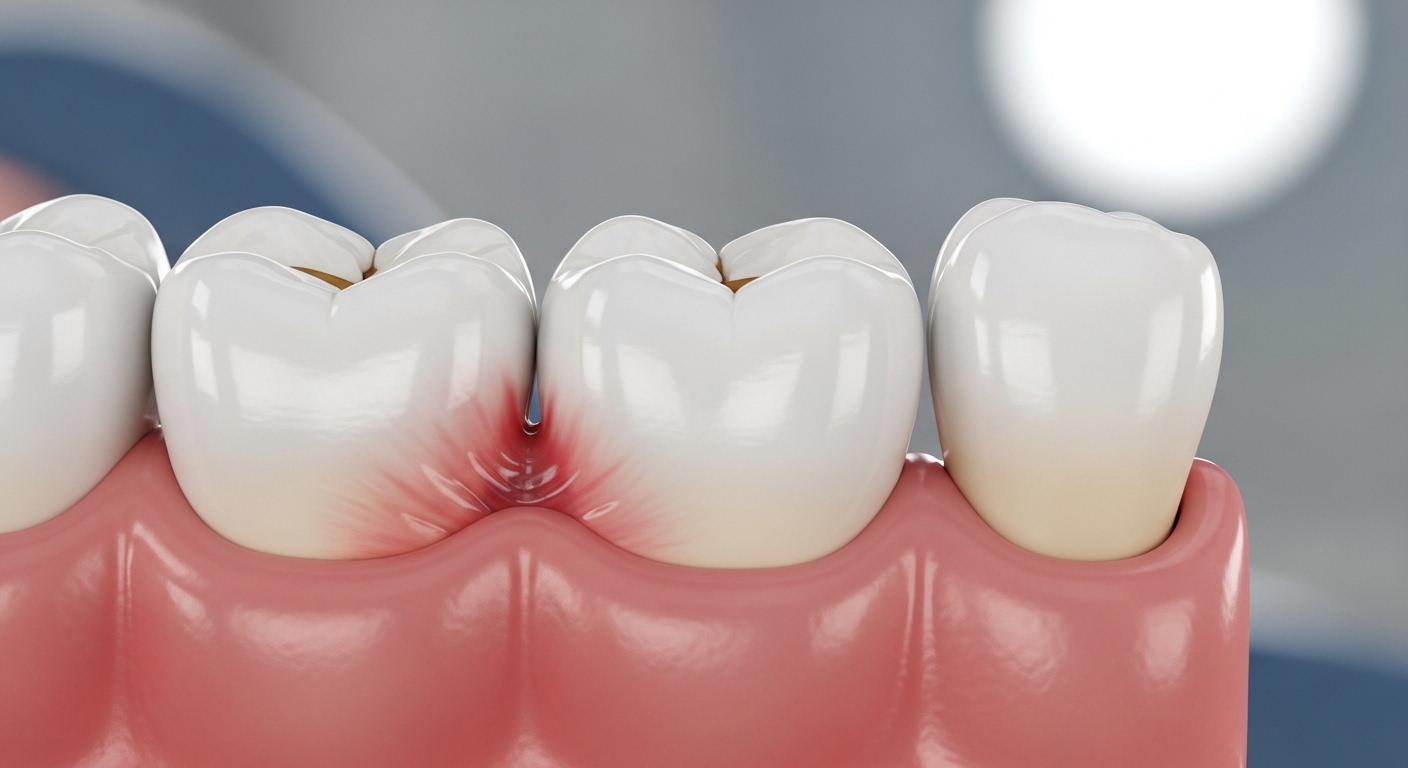
An erupted tooth is a natural and important milestone in dental development, marking the moment when a tooth emerges through the gums and becomes visible in the mouth. This process begins in early childhood with baby teeth and continues into adolescence and early adulthood with permanent teeth. While tooth eruption is expected, it can sometimes cause discomfort or raise concerns if it does not happen on time. Understanding what an erupted tooth represents helps individuals recognize normal changes and identify potential issues early. Whether it involves a child’s first tooth or an adult wisdom tooth, eruption plays a key role in oral function, alignment, and overall dental health.
What an Erupted Tooth Is and How It Develops
An erupted tooth is one that has moved from beneath the gum tissue into its functional position in the mouth. Tooth development begins long before eruption, as teeth form within the jawbone. Over time, pressure and biological signals cause the tooth to move upward until it breaks through the gums. This process is gradual and varies from person to person. Primary teeth usually erupt during infancy and early childhood, while permanent teeth follow later. The timing of eruption depends on genetics, nutrition, and overall health. When a tooth erupts properly, it aligns with neighboring teeth and contributes to chewing and speech. Delayed or irregular eruption may require monitoring, but in most cases, eruption is a normal and predictable part of growth.
Common Signs and Sensations During Tooth Eruption
The appearance of an erupted tooth is often accompanied by noticeable sensations, especially in children. Mild gum swelling, tenderness, and sensitivity are common as the tooth pushes through the tissue. In some cases, individuals may experience itching or pressure in the gums. These symptoms usually subside once the tooth fully emerges. Adults may also feel discomfort when wisdom teeth erupt, as there is often limited space in the jaw. While pain is generally manageable, severe or prolonged discomfort is not typical. Understanding these sensations helps distinguish normal eruption from potential problems. Maintaining good oral hygiene during this time is essential to prevent irritation and infection around the emerging tooth.
Differences Between Normal and Problematic Tooth Eruption
Not every erupted tooth follows a smooth path. In a normal eruption, the tooth emerges fully and aligns properly within the dental arch. However, problems can occur when space is limited or the tooth’s angle is abnormal. An impacted or partially erupted tooth may remain trapped under the gum or emerge only partially. This can create areas where bacteria accumulate, increasing the risk of decay or gum inflammation. Crowding, pain, and difficulty cleaning are common concerns in such cases. Dentists monitor eruption patterns to ensure teeth develop correctly. Early detection of abnormal eruption helps prevent long-term complications and supports better oral health outcomes.
The Importance of Monitoring Erupted Teeth
Once a tooth has erupted, regular monitoring becomes essential to maintain oral health. An erupted tooth is exposed to bacteria, food particles, and daily wear, making it vulnerable to decay if not properly cared for. For children, monitoring ensures that baby teeth fall out on time to make room for permanent teeth. For adults, newly erupted teeth such as wisdom teeth require evaluation to determine whether they can be maintained or need removal. Dentists assess alignment, gum health, and bite function during routine checkups. Proper monitoring helps detect cavities, gum issues, or alignment problems early. This proactive approach supports long-term dental stability and comfort.
Caring for an Erupted Tooth at Any Age
Caring for an erupted tooth involves consistent oral hygiene and professional guidance. Brushing gently around newly erupted teeth helps keep the area clean without irritating sensitive gums. Flossing becomes increasingly important as teeth align and contact each other. For children, parental supervision ensures proper cleaning habits during early eruption stages. Adults with newly erupted teeth should pay attention to signs of discomfort or swelling. Balanced nutrition also supports healthy gums and strong enamel. Regular dental visits allow professionals to address concerns and provide personalized advice. Proper care during and after eruption helps ensure that the tooth remains healthy and functional for years to come.
Conclusion
An erupted tooth represents a vital step in dental development and overall oral health. While the eruption process can involve temporary discomfort or concern, it is usually a normal and manageable experience. Understanding how eruption works, recognizing normal symptoms, and knowing when to seek professional care empowers individuals to maintain healthy smiles. With proper monitoring and daily care, erupted teeth can function effectively and contribute to long-term dental well-being.