









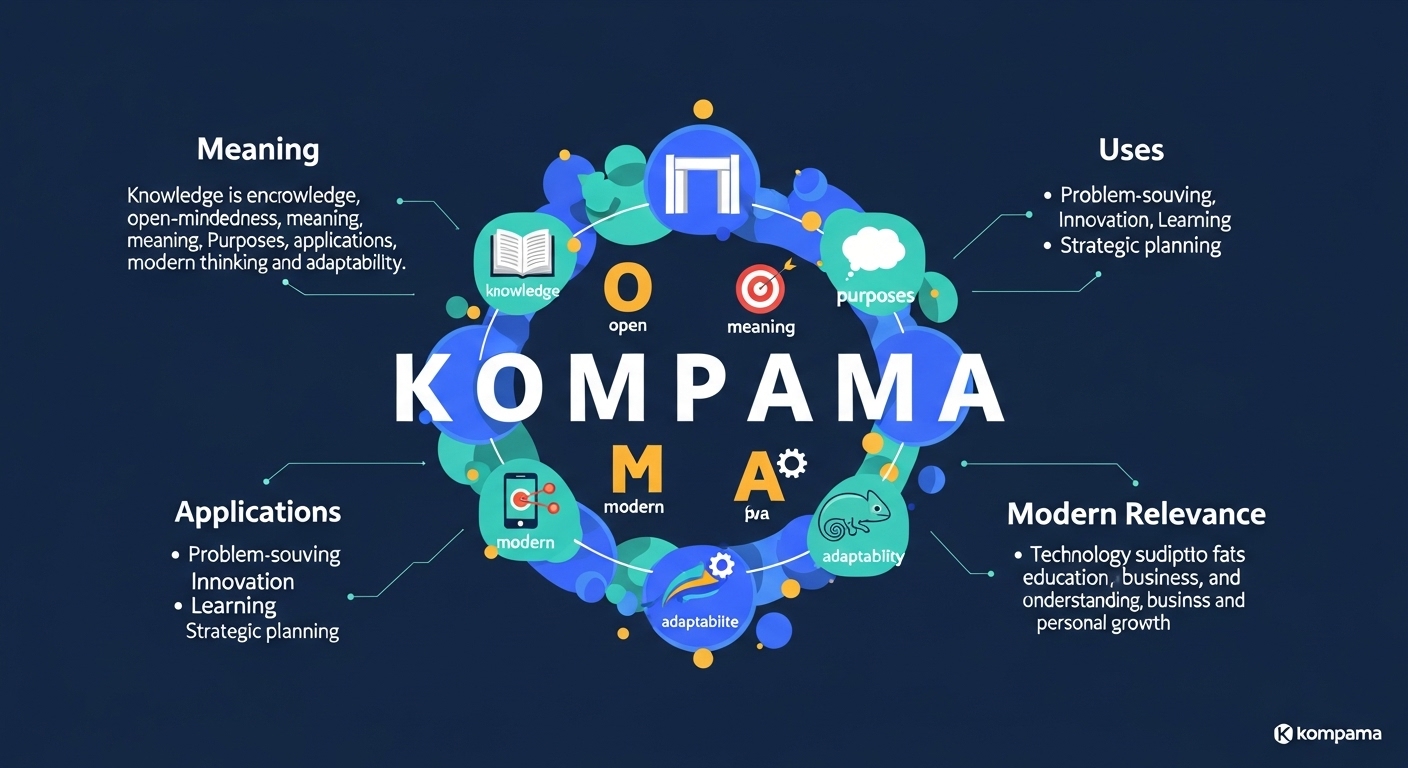
Kompama is an emerging term that has started gaining attention across discussions in digital innovation, conceptual frameworks, and creative processes. Although it may not yet be widely recognized in traditional references, kompama represents a concept that combines adaptability, structure, and intentionality. Understanding kompama can provide valuable insights into strategic thinking, system design, and personal development.
Introduction to Kompama
Kompama is more than a term; it is a concept that emphasizes balance and functionality in dynamic environments. It represents a framework or mindset where flexibility meets structure, allowing individuals, organizations, or systems to adapt to change while maintaining coherence.
In today’s fast-paced and interconnected world, kompama can guide decision-making, innovation, and workflow design. Its principles can be applied across personal development, professional strategies, and technological systems, making it highly versatile and relevant.
Understanding the Concept of Kompama
What Kompama Represents
At its core, kom-pama symbolizes the harmonious integration of structure and adaptability. It reflects the idea that processes, systems, or personal routines can remain organized while accommodating change and new opportunities.
Kom-pama encourages intentional action, meaning that every component or decision contributes to a larger goal. Unlike rigid frameworks, it allows experimentation, learning, and iterative improvement without sacrificing coherence or efficiency.
The Evolution of Kompama
Kom-pama has evolved from a niche conceptual idea to a term that resonates in discussions about efficiency, innovation, and sustainability. Its relevance grows as organizations and individuals seek frameworks that are both reliable and adaptable in rapidly changing environments.
Key Characteristics of Kompama
Adaptability and Flexibility
A defining feature of kom-pama is its adaptability. It allows systems, processes, and individuals to respond to changes while keeping core objectives intact.
Structured Interaction
Kom-pama emphasizes organized and intentional interactions. Whether applied to teams, workflows, or creative projects, it ensures that each element contributes to an efficient and coherent system.
Sustainability and Longevity
By combining flexibility with structure, kom-pama promotes sustainability and long-term effectiveness. This ensures that systems, routines, or strategies can evolve without losing their core purpose.
Applications of Kompama
In Personal Development
Kompama can help individuals create routines and frameworks that balance discipline with adaptability. For example, someone could structure their work schedule while leaving space for creative exploration or unexpected opportunities.
In Business and Organizational Strategy
Organizations can apply kom-pama principles to design workflows and management systems that are efficient yet adaptable. This approach helps teams respond to change without losing focus on core objectives.
In Technology and Digital Systems
Kom-pama can guide the development of software and digital frameworks that are modular, scalable, and resilient. This ensures that technology solutions remain functional and adaptable as user needs or market conditions evolve.
Benefits of Using Kompama
Enhanced Efficiency
By integrating structure and adaptability, kompama reduces inefficiencies and ensures that systems function smoothly.
Improved Collaboration
Kom pama promotes clear roles and intentional interactions, improving teamwork and decision-making across projects or organizations.
Long-Term Sustainability
Kom-pama supports strategies and systems that remain effective over time, even in dynamic or uncertain environments.
Challenges and Considerations
Complexity of Implementation
Applying kompama effectively requires careful planning, as balancing flexibility with structure can be challenging.
Interpretation Variability
Since kom pama is a conceptual term, its meaning may vary depending on context. Clear guidelines and frameworks are necessary for consistent application.
Continuous Monitoring Required
Kompama-based systems or strategies need ongoing evaluation to maintain coherence, efficiency, and relevance.
How to Apply Kompama Effectively
Define Core Objectives
Clearly outline the goals or purpose before applying kom pama principles. This ensures that all actions are intentional and aligned with the desired outcomes.
Balance Flexibility with Structure
Maintain a balance between organization and adaptability. Flexibility should enhance, not compromise, the system or process.
Evaluate and Adjust
Regular evaluation ensures that kompama-based systems or routines remain effective and aligned with evolving needs or goals.
The Future Potential of Kompama
As technology, business, and creative environments continue to evolve, kompama is likely to gain further relevance. Its principles can be applied in:
-
Advanced project management frameworks that adapt to shifting priorities.
-
Creative processes that allow experimentation while maintaining coherence.
-
Digital systems and AI frameworks designed for sustainable scalability.
By embracing kompama, individuals and organizations can create systems that are resilient, efficient, and capable of evolving with change.
Conclusion
Kompama represents a forward-thinking concept that integrates adaptability, structure, and intentional action. Whether applied to personal growth, organizational strategy, or technological systems, it provides a framework for achieving efficiency, collaboration, and long-term sustainability.
While implementation may require careful planning and continuous refinement, the benefits of kom pama—including improved productivity, resilience, and relevance—make it a concept worth understanding. In an ever-changing world, kompama offers a roadmap for balancing structure with flexibility to achieve meaningful outcomes.