








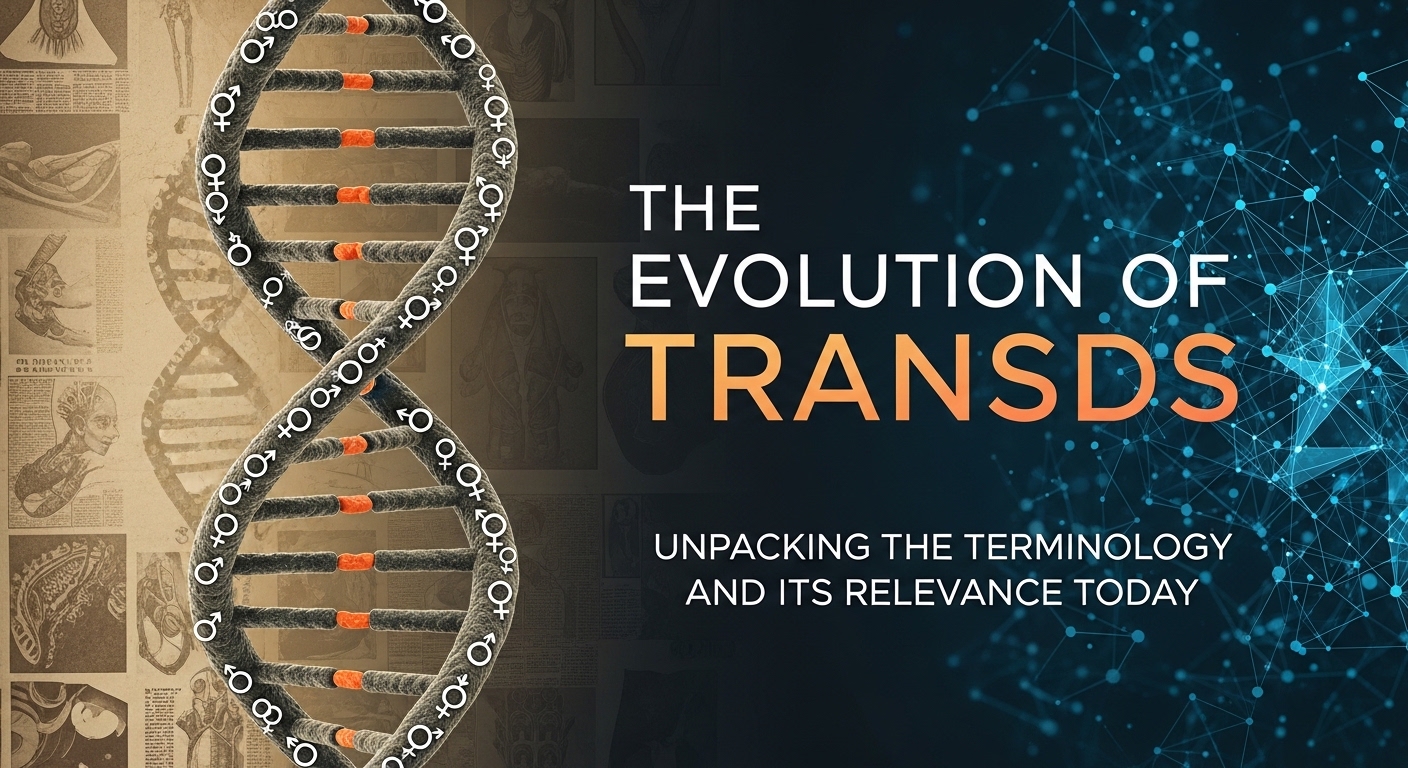
The world of gender identity is vibrant and complex, constantly evolving to reflect the diverse experiences of individuals. One term that has garnered significant attention in recent years is “Transds.” While it may sound unfamiliar to some, this word encapsulates a wide range of identities and experiences within the transgender spectrum. As society progresses, understanding these nuances becomes essential for fostering inclusivity and acceptance. Join us as we unpack the terminology associated with Transds, explore its historical context, and delve into its relevance in today’s conversations about gender identity.
The History and Evolution of the Term
The term “Transds” has a rich history that reflects broader societal changes. Initially, it emerged within niche communities but gained traction as discussions around gender identity evolved.
In the late 20th century, early adopters began to use variations of this terminology to express experiences outside traditional gender norms. The language surrounding it was fluid and often contested.
As awareness grew in the 21st century, so did the need for more inclusive terms. Activists and scholars contributed to refining definitions, ensuring they resonate with diverse identities.
This evolution mirrors shifts in cultural understanding of gender. Each iteration aimed to encapsulate the complexity of human experience while fostering acceptance and visibility.
Today, “Transds” represents not just a label but an ever-evolving dialogue about identity. It invites exploration into what it means to exist beyond binary constraints.
Understanding the Various Definitions and Meanings of Transds
The term “transds” encompasses a wide spectrum of identities and experiences. It generally refers to individuals whose gender identity differs from the sex they were assigned at birth. This definition is broad, allowing for various interpretations.
Within this framework, some may identify as transgender, non-binary, or genderqueer. Each label carries its own nuances and represents different journeys toward self-discovery and acceptance.
Language plays a crucial role in shaping our understanding of these identities. Many people find empowerment in specific terms that resonate with their personal experiences. Others prefer more fluid definitions that reflect the complexity of gender itself.
Recognizing these diverse meanings fosters inclusivity and respect within conversations about transds. It’s essential to approach discussions with sensitivity to individual preferences regarding terminology, which can vary widely among communities and cultures alike.
The Importance of Using Inclusive Language
Using inclusive language is vital in today’s diverse society. It fosters respect and understanding among individuals from various backgrounds.
When we choose our words carefully, we create an environment where everyone feels valued. This not only enhances communication but also encourages collaboration.
Inclusive language challenges stereotypes and promotes equality. By acknowledging different identities, we help dismantle barriers that often lead to misunderstanding or discrimination.
Moreover, using the right terminology can empower marginalized communities. When people see themselves represented in language, it affirms their identity and experiences.
In educational settings, inclusive language plays a crucial role in shaping young minds. It teaches students about diversity and acceptance from an early age.
Embracing inclusivity enriches conversations and builds stronger connections between individuals across the spectrum of humanity.
How Transds are Viewed in Different Cultures and Societies
Transds occupy diverse spaces within various cultures. In some societies, they are celebrated as vital members, often embodying spiritual or cultural roles that transcend traditional gender norms. For example, many Indigenous communities in North America recognize Two-Spirit individuals, who hold unique places tied to their heritage and spirituality.
Conversely, other cultures may struggle with acceptance. Stigmatization occurs in regions where rigid gender binaries prevail. Here, transds face discrimination and violence simply for existing beyond societal expectations.
In more progressive areas, awareness is growing. Activism pushes conversations forward while fostering understanding around transgender identities. Educational initiatives have become crucial in dismantling stereotypes and promoting inclusivity.
The portrayal of transds continues to evolve through media representation as well. Increasing visibility helps challenge misconceptions and fosters empathy across different demographics worldwide.
Current Issues and Controversies Surrounding Transds
The conversation around Transds is often heated and complex. Many people advocate for greater visibility and rights, pushing for recognition in legal frameworks. Yet, there remains a significant divide on how to approach these issues.
Controversies frequently arise regarding healthcare access. Debates swirl around what constitutes adequate support and who should be responsible for providing it. This can lead to serious ramifications for those seeking assistance.
Social media plays a pivotal role in shaping perceptions of Transds today. Misinformation spreads quickly, sometimes fueling discrimination or misunderstanding rather than fostering acceptance.
Additionally, the intersectionality within the community presents its own challenges. Different identities—such as race, socio-economic status, and regional backgrounds—can influence experiences profoundly but are often overlooked in broader dialogues.
As awareness grows, so do tensions surrounding language usage and representation. Some argue that terminology must evolve to reflect current realities; others feel this leads to unnecessary confusion or dilution of identity.
Conclusion
The journey of understanding “Transds” is ongoing and reflects the broader conversation about identity in our society. This term has evolved significantly, shaped by cultural shifts, social movements, and individual experiences. As language continues to adapt, it’s crucial to embrace inclusive terminology that respects everyone’s identity.
Different cultures perceive trans identities through varied lenses. Some societies have rich histories of gender diversity, while others may still grapple with acceptance. The dialogues around Transds are complex and often contentious but are essential for fostering respect and empowerment.
Current issues surrounding Transds highlight a pressing need for awareness and education. Misunderstandings can lead to discrimination or marginalization. Therefore, using precise language not only affirms identities but also promotes empathy within communities.
Understanding “Transds” goes beyond definitions; it’s about recognizing humanity in all its forms. By engaging with these conversations thoughtfully, we contribute to a more inclusive world where everyone feels valued and understood.